What Is Brumation? (And Should You Be Worried?)
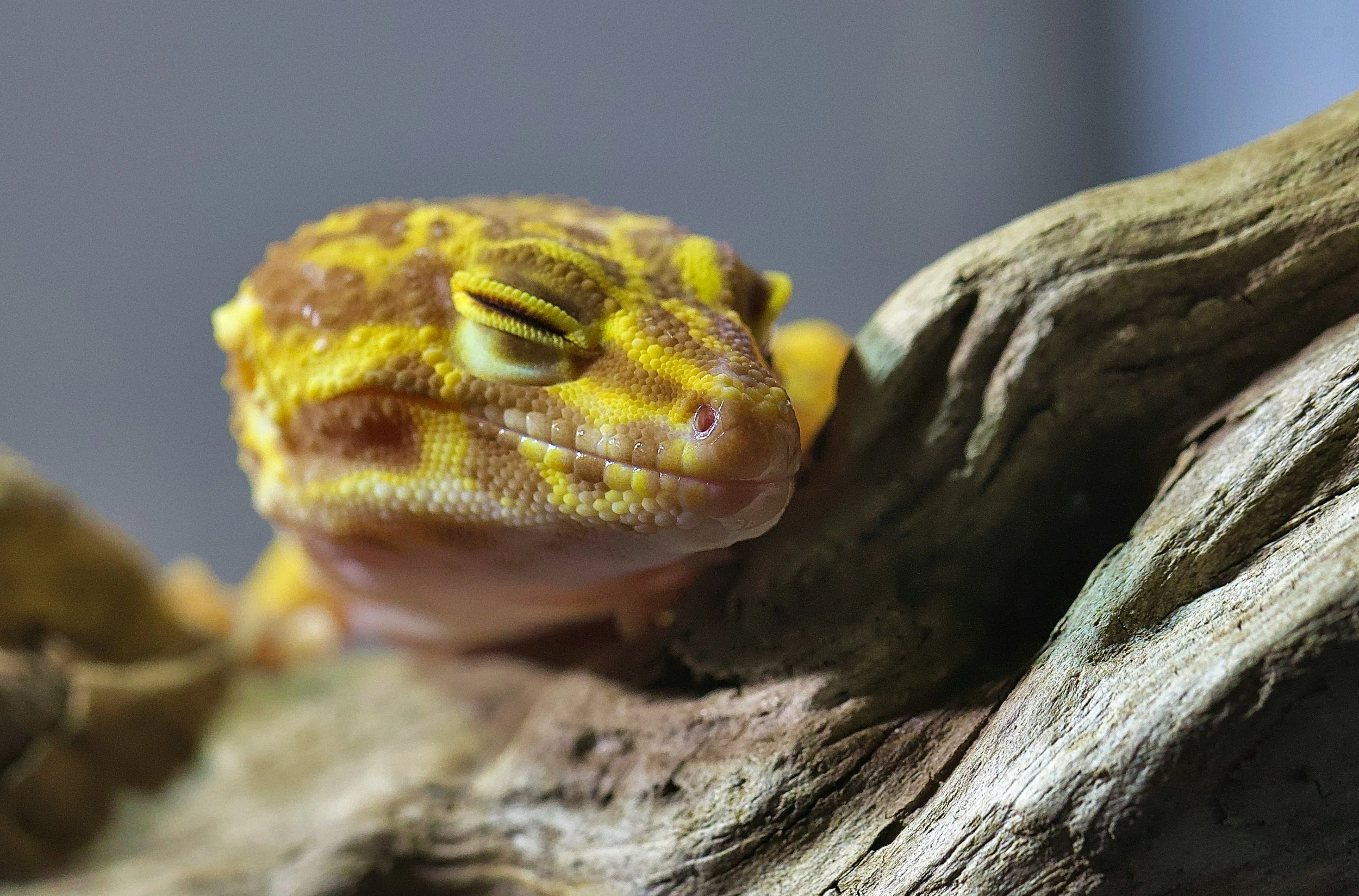
If you’ve noticed your reptile eating less, moving less, or generally behaving like they’ve decided to become a decorative ornament for winter — you might be encountering brumation.
Before panic-Googling at 11pm, let’s clear something up:
👉 Brumation is normal.
👉 Brumation is not hibernation.
👉 And brumation does not mean your reptile is dying.
Let’s break it down.
So… what is brumation?
Brumation is a natural seasonal slowdown that many reptiles experience, usually in the cooler months.
In the wild, reptiles don’t have:
central heating
thermostats
or a steady supply of conveniently delivered locusts
As temperatures and daylight drop, their bodies respond by conserving energy.
That can look like:
reduced appetite (sometimes stopping eating altogether)
less movement
spending more time hiding or sleeping
appearing generally unbothered by life
Importantly:
Their metabolism slows — but it doesn’t stop.
Is brumation the same as hibernation?
Nope — and this is where a lot of confusion comes from.
Hibernation (mammals) = deep sleep, metabolism almost shuts down
Brumation (reptiles) = low-energy mode, still awake, still responsive
During brumation, reptiles may:
wake up occasionally
drink water
move between hides
respond to disturbance
They’re not “asleep for months”.
They’re just… vibing quietly.
Which reptiles brumate?
Many commonly kept reptiles can brumate, including:
leopard geckos
bearded dragons
corn snakes
royal pythons (to a lesser degree)
Not every individual will brumate — and that’s okay too.
Some reptiles:
brumate strongly every year
brumate lightly
or barely show it at all
All of these can be normal.
How long does brumation last?
There’s no exact timetable.
Brumation can last:
a few weeks
a couple of months
or come and go in waves
It’s influenced by:
temperature
daylight
age
health
individual biology
This is why comparing your reptile to someone else’s on Facebook rarely helps.
Should I change anything during brumation?
Yes — but gently.
Feeding
If your reptile stops eating:
don’t force food
don’t panic-offer “just in case” meals
remove uneaten food promptly
Digesting food requires heat and energy. If they’re not warm or active enough, feeding can do more harm than good.
Heating & lighting
Do not turn heating off
Maintain normal temperature gradients
Keep day/night cycles consistent
Brumation happens despite good care — not because of neglect.
Water
Always ensure:
fresh water is available
hydration is easy
Some reptiles will still drink during brumation.
When should I worry?
This is the important bit.
Brumation is seasonal and gradual.
🚩 Red flags that are not typical brumation:
rapid or extreme weight loss
sunken eyes
severe lethargy outside seasonal patterns
discharge, swelling, or visible illness
brumation behaviour in a brand-new reptile
If something feels off, trust that instinct and speak to a reptile-experienced vet.
(And yes — not all vets treat reptiles. Always check.)
A gentle reframe
Brumation isn’t your reptile “checking out”.
It’s your reptile doing exactly what millions of years of evolution designed them to do.
Your job isn’t to fight it.
Your job is to observe, support, and stay calm.
And honestly?
That’s good practice for reptile keeping in general.
Still unsure?
If you’re ever stuck wondering:
“Is this brumation or a problem?”
“Am I missing something important?”
“Is my setup supporting this properly?”
That’s exactly why we created our resources — to replace panic with understanding.
👉 Explore the Reptile Ready Leopard Gecko Starter Kit
👉 Find out which reptile is the perfect choice for your child
You’re not failing.
You’re learning — and so is your reptile.