Is a Leopard Gecko a Good Pet for a Child? 🦎
(Short answer: often yes. Long answer: let’s talk properly.)
If you’ve found yourself Googling “Is a leopard gecko a good pet for a child?” at 11:47pm while wondering whether you’re about to accidentally adopt chaos… welcome. You’re among friends.
Leopard geckos are one of the most commonly recommended “starter reptiles” — but starter doesn’t mean toy, easy, or fire-and-forget. It means calm, manageable, and forgiving when adults are involved.
So let’s break it down the Scaly Safari way: honest, practical, and with zero nonsense.
Why Leopard Geckos Are Often a Great Choice for Kids
🧠 Calm, Gentle, and Predictable
Leopard geckos are famously chilled little creatures. They’re ground-dwellers (no leaping at your face), slow-moving, and generally very tolerant of gentle handling when introduced properly.
They don’t:
sprint up walls
launch themselves into orbit
or scream dramatically for no reason
Which is already a win.
🕰 Mostly Awake at Sensible Times
Unlike some reptiles who come alive at 2am like tiny nightclubbers, leopard geckos are crepuscular — active at dawn and dusk.
That means:
You’re more likely to see them when kids are home
Less “why is my pet invisible?” disappointment
More opportunities for observation and learning
📏 A Sensible Size
They stay small enough to feel manageable, but big enough not to feel fragile. That balance is chef’s kiss for children who are still learning confidence and gentle handling.
💛 Big Personality, Tiny Body
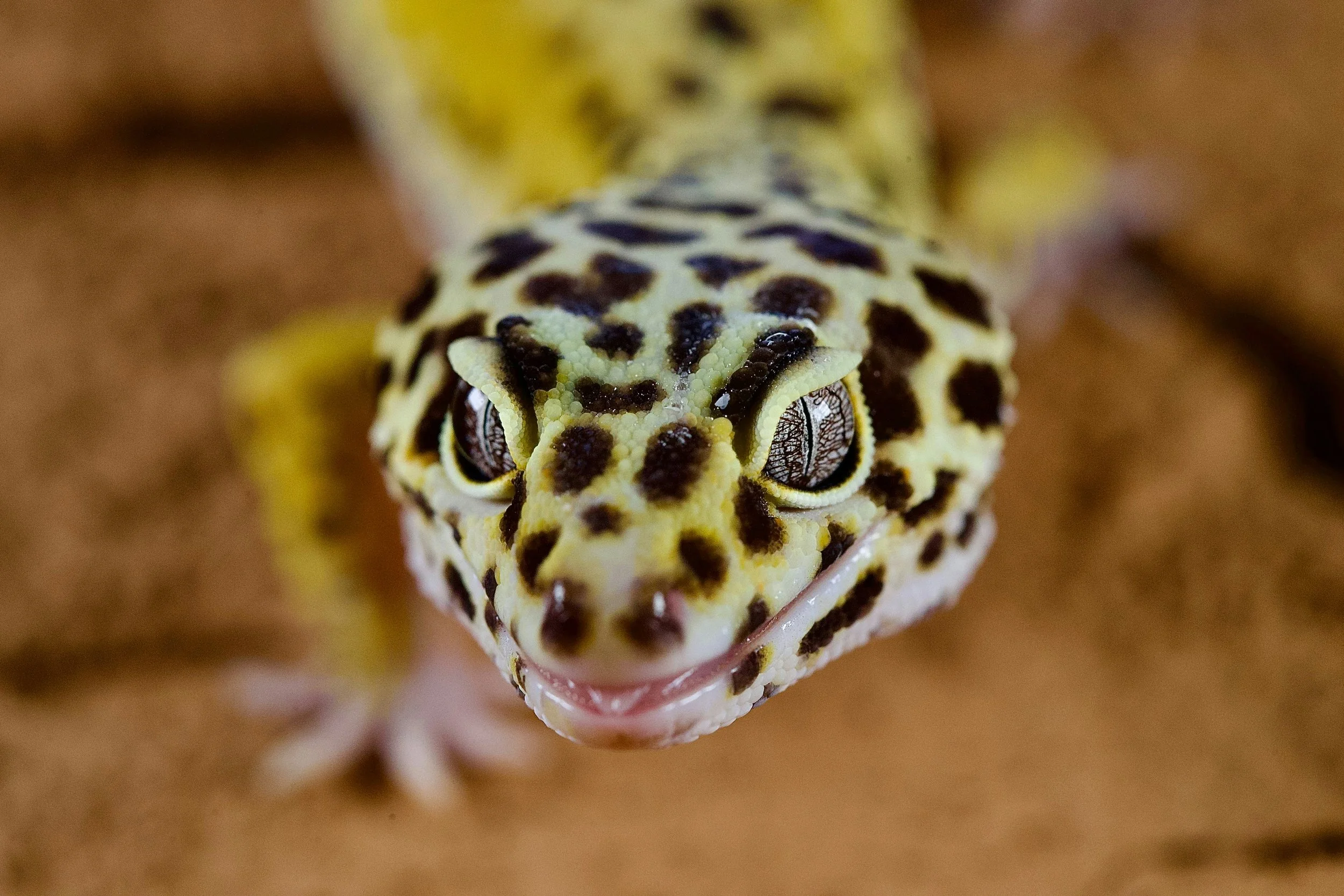
Leopard geckos have expressions. Opinions. Mild judgement.
Kids LOVE this.
They notice:
tail wiggles
slow blinks
“I’m not impressed” faces
Which makes bonding and interest far more likely to stick.
The Bits People Often Don’t Tell You (But Should)
Let’s get real for a moment.
❌ This Is Not a Child-Only Pet
A leopard gecko can be an excellent family pet — but the adult is always responsible for:
heat and temperature control
feeding schedules
cleaning
health monitoring
If a child loses interest (and they might — they’re children), the gecko still deserves consistent care.
🔥 Heat Matters (A Lot)
Leopard geckos rely on external heat to digest food and stay healthy. This means:
thermostats (non-negotiable)
correct temperature gradients
setup done properly, not guessed
If you can’t measure it, you can’t manage it.
🕰 They Live a Long Time
A well-cared-for leopard gecko can live 15–20 years.
That’s:
primary school → secondary school → adulthood
potentially moving house together
a real commitment, not a phase
This can be wonderful — but it needs to be a conscious decision.
So… Is a Leopard Gecko a Good Pet for Your Child?
A leopard gecko is often a great choice if:
✔️ An adult is happy to stay involved long-term
✔️ You want a calm, low-noise, low-smell pet
✔️ Your child enjoys watching as much as handling
✔️ You’re open to learning proper setup (once, properly)
They may not be the best choice if:
you’re looking for a cuddly pet
you want something very interactive every day
you’re hoping your child will manage everything alone
And that’s okay. Choosing the right animal matters far more than choosing the popular one.
Not Sure Yet? That’s Actually a Brilliant Place to Be 💡
If you’re still weighing things up, we’ve created a gentle, honest quiz that helps match your child, your lifestyle, and your confidence level to the right reptile — not just the trendy one.
👉 Take the quiz: Which Reptile Is Right for Your Child?
No judgement. No pressure. Just clarity.
Ready to Commit? We’ve Got You Covered 🧡
If you do decide that a leopard gecko is right for your family, we’ve created something to make the whole process calmer, clearer, and far less overwhelming.
It walks you through:
setup (without fear-mongering)
heating and temperatures explained simply
feeding, handling, and common mistakes
what “normal” actually looks like
So you don’t have to piece together advice from 47 conflicting forum posts written in 2009.

Final Verdict 🦎✨
Leopard geckos can be wonderful pets for children — when chosen thoughtfully, set up correctly, and supported by adults who care.
They teach:
patience
observation
respect for animals that experience the world differently
And honestly? They’re just really lovely little beings.
If you want help choosing wisely — we’re right here 💚