Why Is My Reptile Sleeping So Much? (And When to Worry)
A calm, beginner-friendly guide to understanding reptile sleep cycles — and spotting when something isn’t quite right | 🕒 Reading time: ~ 6 minutes
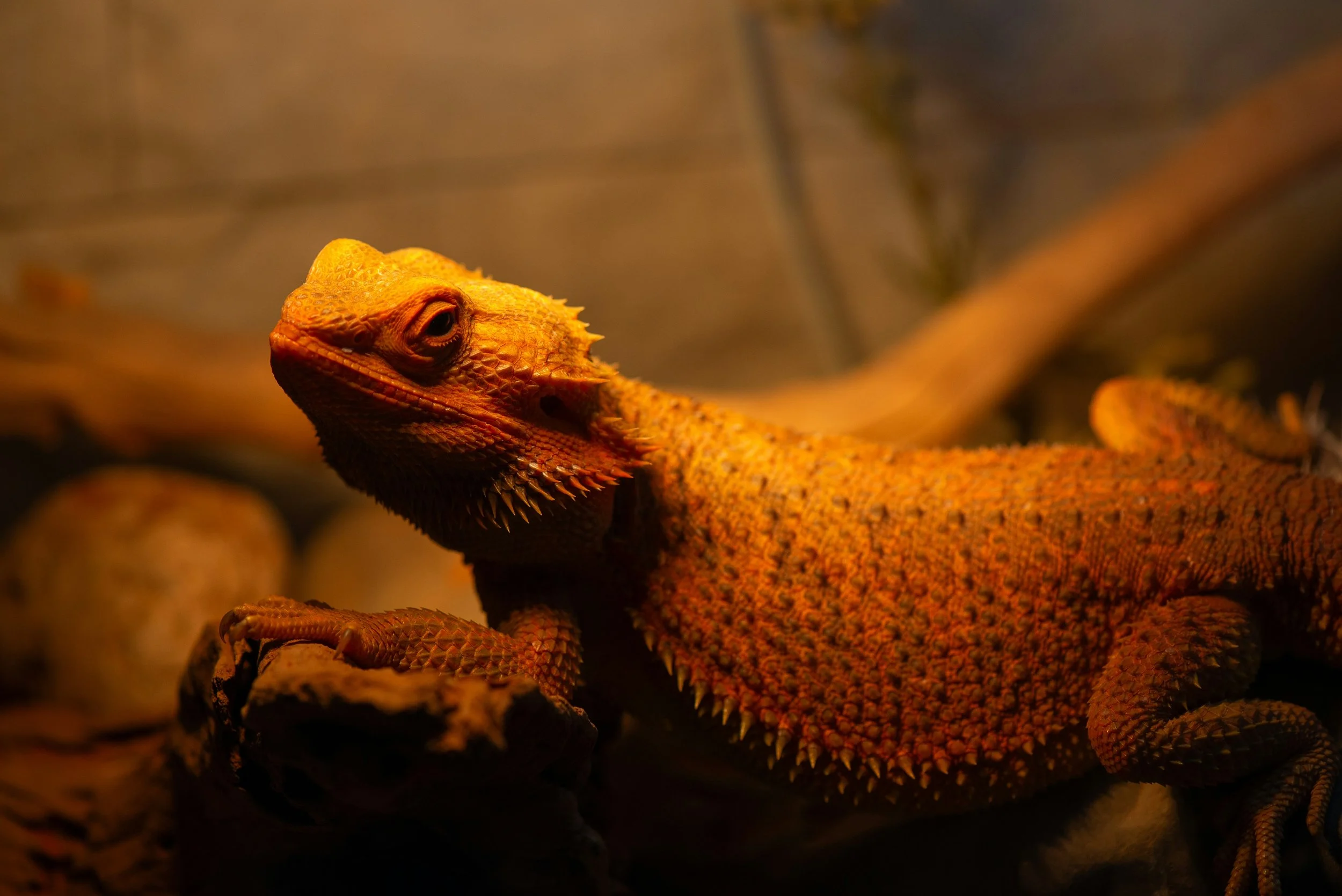
😴 “Why is my reptile asleep AGAIN?” — A universal beginner experience
If your reptile seems to be snoozing more than a teenager on summer holidays, take a breath.
Reptiles are dramatic little creatures who LOVE a good nap. Honestly? Some of them treat sleep like a competitive sport.
But sometimes, extra sleep does mean something needs a closer look.
This guide will help you figure out whether your scaly potato is:
Just vibing,
Brumating like the winter wizard they are, or
Giving you a subtle “help me, human” signal.
Let’s decode the naps.
🐢 Reptiles Sleep More Than You Think (And They’re Not Sorry)
Reptiles don’t run on “normal people time.” Their entire vibe depends on:
Temperature
Light cycles
Season
Species
Mood (yes, genuinely)
Totally normal, absolutely not alarming reasons your reptile may be snoozing:
It’s a bit colder than usual → metabolic slowdown
It’s brumation season → “wake me in spring, Susan”
They’re young → growing is exhausting, okay?
They’re digesting → reptile food coma
They simply do not care about your schedule
If your reptile wakes up, eats, poops, moves normally, and then goes back to sleep?
Completely fine. Iconic behaviour, honestly.
❄️ Brumation vs. “My Lizard Has Become a Decorative Rock”
Brumation is basically reptile hibernation — a seasonal, sleepy slowdown that can last weeks or months.
Signs of brumation:
Long naps
Reduced appetite
Less exploring
More hiding
A general vibe of “nope”
Totally normal for many species (especially beardies).
But important: not all reptiles brumate.
So don’t assume brumation unless it’s normal for your species… otherwise you accidentally ignore something important.
⚠️ When Sleepiness Is a Red Flag
If your reptile looks like it’s auditioning for the role of “comatose lettuce,” AND you notice any of these, pay attention:
Not eating (longer than typical for their species)
Weakness or wobbliness
Staying on the cool side all day
Sudden personality flip
Closed eyes even when handled
Weight loss
These could indicate:
Incorrect temperatures
Old/incorrect UVB
Dehydration
Parasites
Illness
Stress
If something feels “off,” trust that feeling. You know your pet best.
And if they seem unwell, an exotics vet is your next stop.
🌡️ Quick Setup Check (AKA: The 60-Second Panic Reset)
Before you decide your reptile is dying dramatically:
Is the basking spot hot enough?
Is the cool side… actually cool?
Is your UVB still within 6–12 months of age?
Has anything in the house gotten noisier or busier lately?
Is the enclosure near a cold window or draft?
It is wild how many “is my reptile dying???” moments turn into “oh… the lamp was unplugged.”
No judgement. We’ve all been there.
💛 Final Thoughts (aka: Should You Panic?)
In most cases?
No.
Reptiles nap. A LOT. They are the kings and queens of resting.
But if something feels unusual — or your gut is yelling at you — it’s always safest to check temps, check UVB, and call a vet if needed.
Your mission:
Observe → Adjust → Don’t spiral.
Your reptile will tell you what they need… usually by doing exactly one behaviour very dramatically.
🟣 Still worried? You're not alone.
If you want a gentle, confidence-building starting point, check out: 👉 Beginner Mistakes New Reptile Owners Make