Why Does My Reptile Keep Hiding?
A beginner-friendly guide to understanding reptile hiding behaviour — when it’s normal, when it’s a clue, and when it’s just your scaly introvert living their best life.
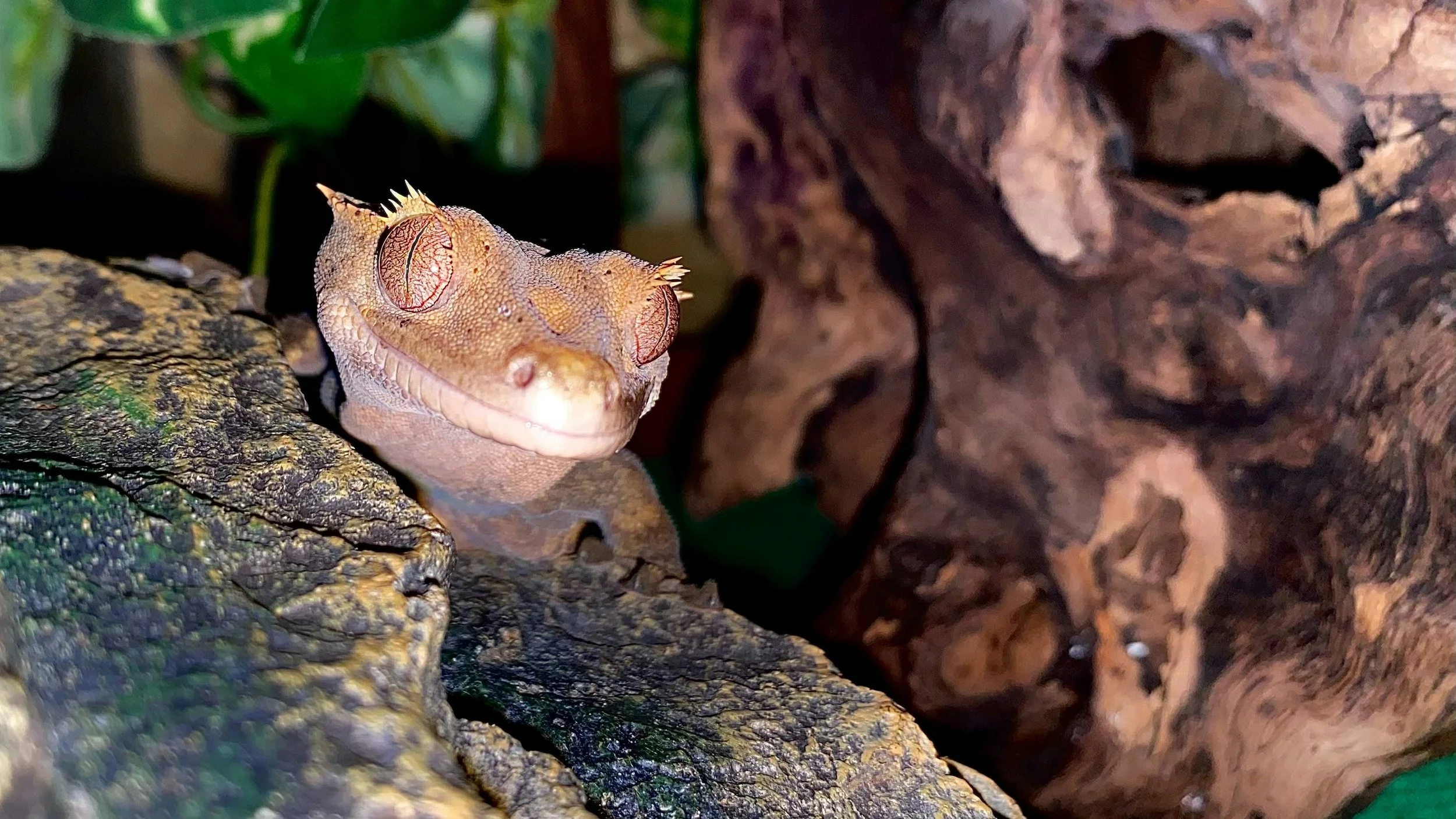
Why your reptile is basically a blanket-gremlin (and why that’s OK)
If your reptile keeps vanishing like a tiny scaly ninja, don’t panic — this is one of the most common beginner worries ever.
Hiding is often normal, healthy reptile behaviour. Some species are naturally shy, some prefer low light, and some simply have the emotional range of: “No thanks, try again later.
But sometimes hiding tells you something important — a setup tweak, a stress trigger, or a “please stop checking on me every five minutes, Janet” kind of vibe.
Here’s how to figure out what’s going on.
1. Totally Normal Reasons Your Reptile Might Hide
These are the “no worries, carry on” situations:
✓ They’re crepuscular or nocturnal
Leopard geckos, ball pythons, hognoses, and lots of others aren’t day-party animals.
Hiding during the day = normal.
Hiding at night = also normal for some species.
✓ They’re digesting
After a meal, many reptiles prefer a safe, warm spot to process their food like a tiny dragon with a food baby.
✓ They’re shedding
Shedding = “Do not perceive me.”
Expect more hiding and less interaction until the glow-up is complete.
✓ They’re new to your home
Give them a few days to settle. Moving is stressful — even for scalies.
2. Setup Issues That Can Make Them Hide More
These are the sneaky environmental reasons that make reptiles retreat:
✓ Not enough hides
They need at least two hides (warm + cool).
Some species want three or more.
If they only have one hide, they’ll feel forced to stay put.
✓ Too much light
A bright enclosure with nowhere to feel secure?
Instant “Nope.”
✓ Temperature isn’t right
Too hot = “Let me find a cave before I roast.”
Too cold = “I’m shutting down until you fix this, human.”
✓ Enclosure feels exposed
Lots of open space with no cover can make reptiles go full introvert mode.
3. Stress or Health-Related Hiding
This is when hiding is a clue, not a comfort behaviour:
✓ Loud environment (kids, dogs, TVs, chaos gremlins)
Reptiles love calm. Chaos makes them duck for cover.
✓ Too much handling
If every interaction becomes a surprise pick-up mission, they may retreat to avoid it.
✓ Something feels “off”
While hiding alone doesn’t diagnose anything, if it comes with not eating, unusual lethargy, weird breathing, or visible weight loss, it’s time for an exotics vet check.
4. How to Help Your Reptile Feel Safe & Seen
A few simple tweaks go a long way:
Add more hides (variety = confidence!)
Introduce more low cover: plants, cork, bark, clutter
Double-check temperature and humidity
Create darker zones and shaded areas
Handle gently, slowly, and only when they’re awake
Keep noisy chaos to a minimum
Let them come out on their own terms
Think of it like giving them the reptile equivalent of a cosy reading nook.
5. When to Actually Worry
Reach out for help (or speak to a vet) if hiding is paired with:
Refusing food for longer than their species’ normal cycle
Sudden weight loss
Unusual lethargy
Staying in only one extreme (always warm OR always cold)
Open-mouth breathing
Visible injuries or stuck shed
Hiding + symptoms = not a behaviour thing, but a health thing.
Final Thoughts
Most of the time, hiding is exactly what your reptile is supposed to do — it’s their safe space, their comfort zone, their tiny scaly fortress of solitude.
But now you’ll know when it’s normal… and when it’s a helpful little nudge to tweak the setup or check in with a vet.
🐍 Want help understanding the little clues reptiles give you?
If hiding has you feeling unsure, you’re not alone — it’s one of the most common beginner worries.
Our free guide walks you through the biggest beginner mistakes (and how to avoid them like an absolute legend):
👉 Beginner Mistakes New Reptile Owners Make
Short, friendly, and 100% judgement-free.