🦎 The Best (and Worst) Exotic Pets for Kids (According to us)
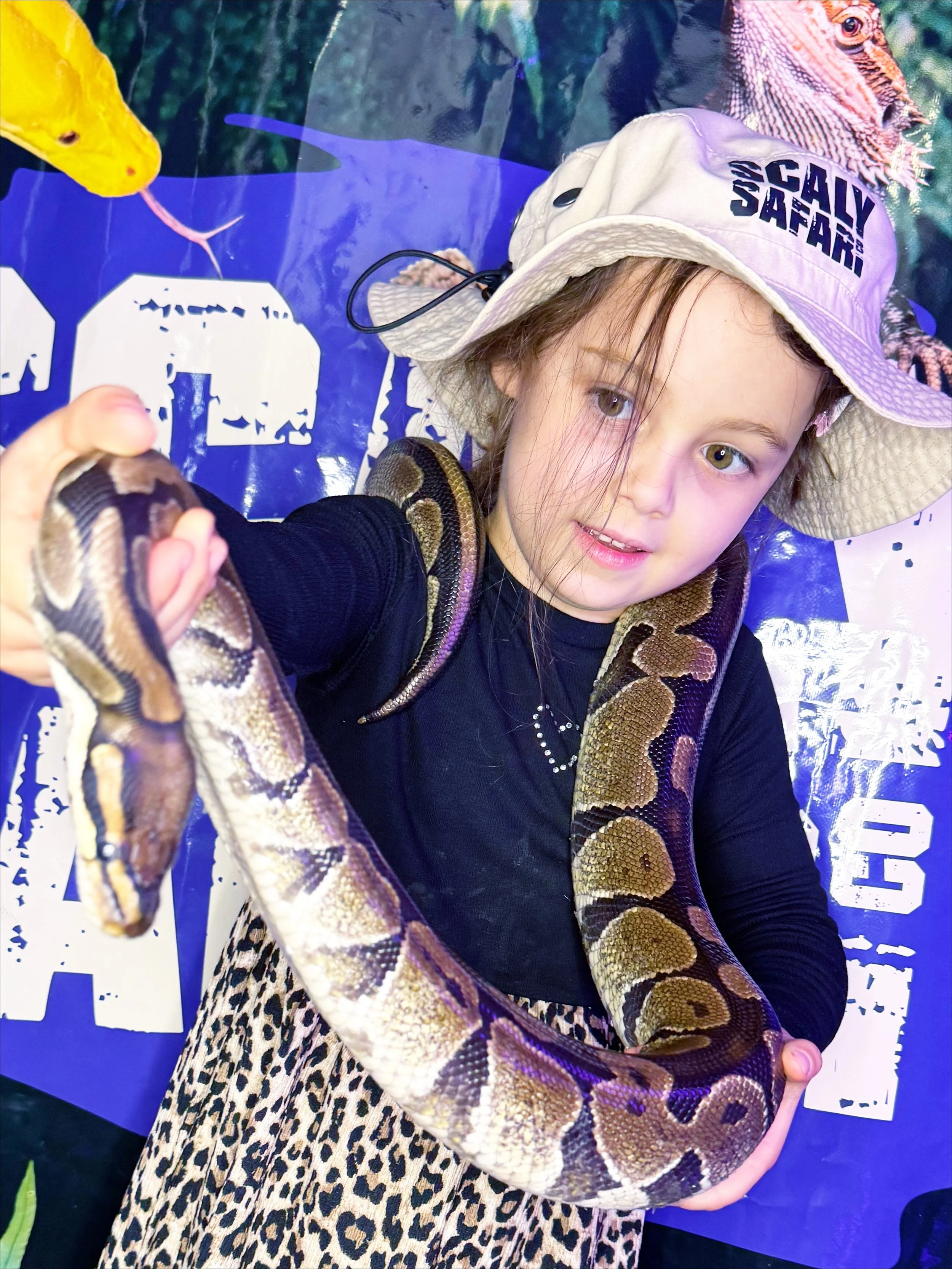
One of the questions we’re asked all the time at Scaly Safari is:
“What’s the best exotic pet for kids?”
It’s a brilliant question — and also a tricky one.
Why? Because there’s no single “perfect” answer.
At Scaly Safari, we care for 30+ different species of exotic animals, from geckos to snakes, lizards, and invertebrates. Over the years, we’ve seen which animals truly thrive in family homes… and which ones quietly struggle when their needs don’t match family life.
This list is based on our real-world experience, not trends, aesthetics, or what looks cute on TikTok.
And if you want help figuring out which of these animals might suit your child specifically, we’ve also created a free quiz to guide you — more on that below 👇
🥇 Top 3 Best Exotic Pets for Kids
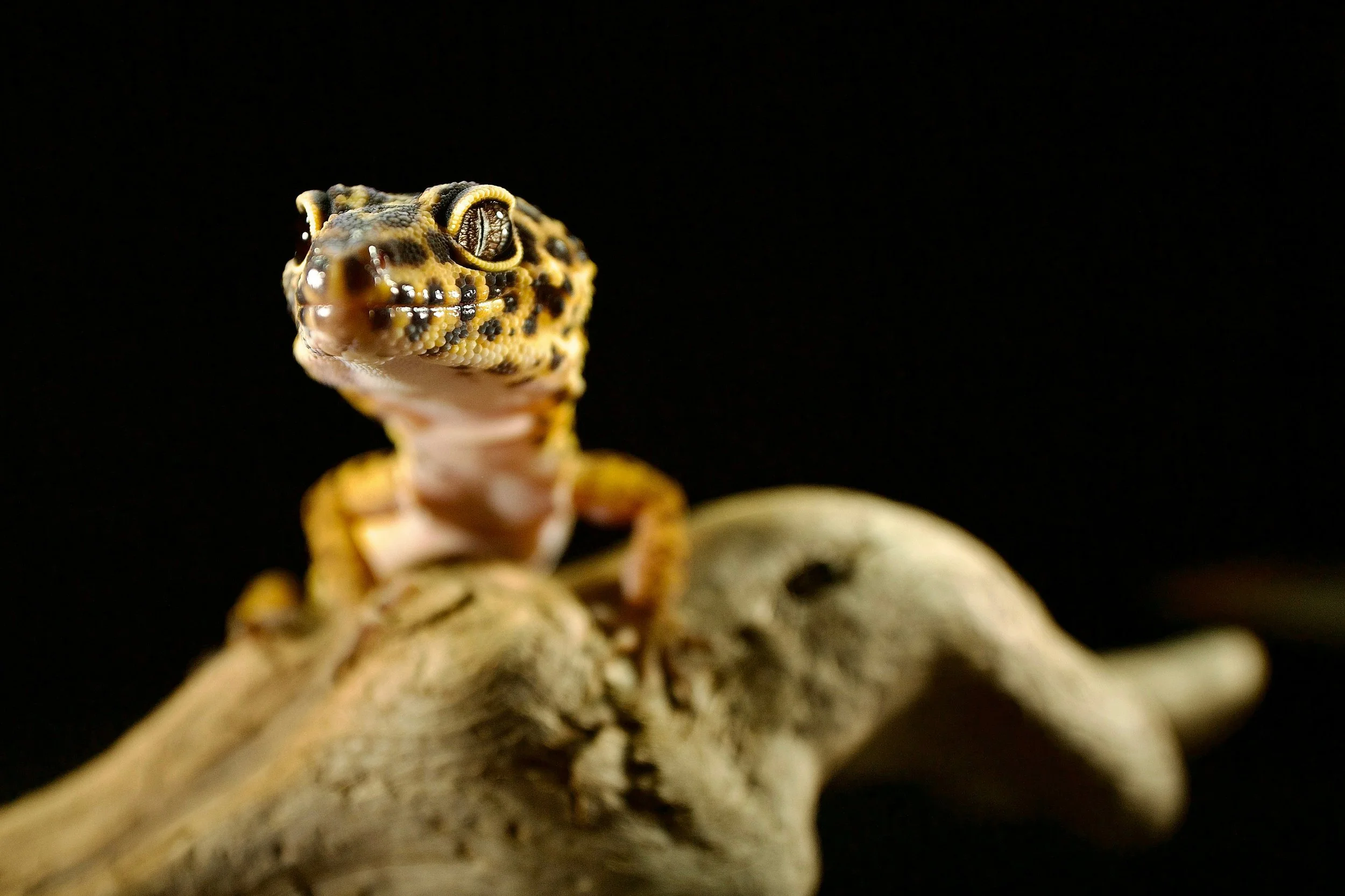
1. Leopard Gecko
If we had to name one standout beginner reptile, it would be the leopard gecko.
They’re calm, hardy, and forgiving — which is exactly what you want when a child is learning how to care for an animal.
Why leopard geckos work so well for families:
Gentle, docile temperament
Easy to handle with supervision
Simple enclosure and heating requirements
Straightforward diet of insects
Fascinating colours and personalities
They’re a fantastic way to teach responsibility without overwhelming a child (or parent).
🦎 This is one of the most common results in our “Which reptile is right for your child?” quiz — for good reason.
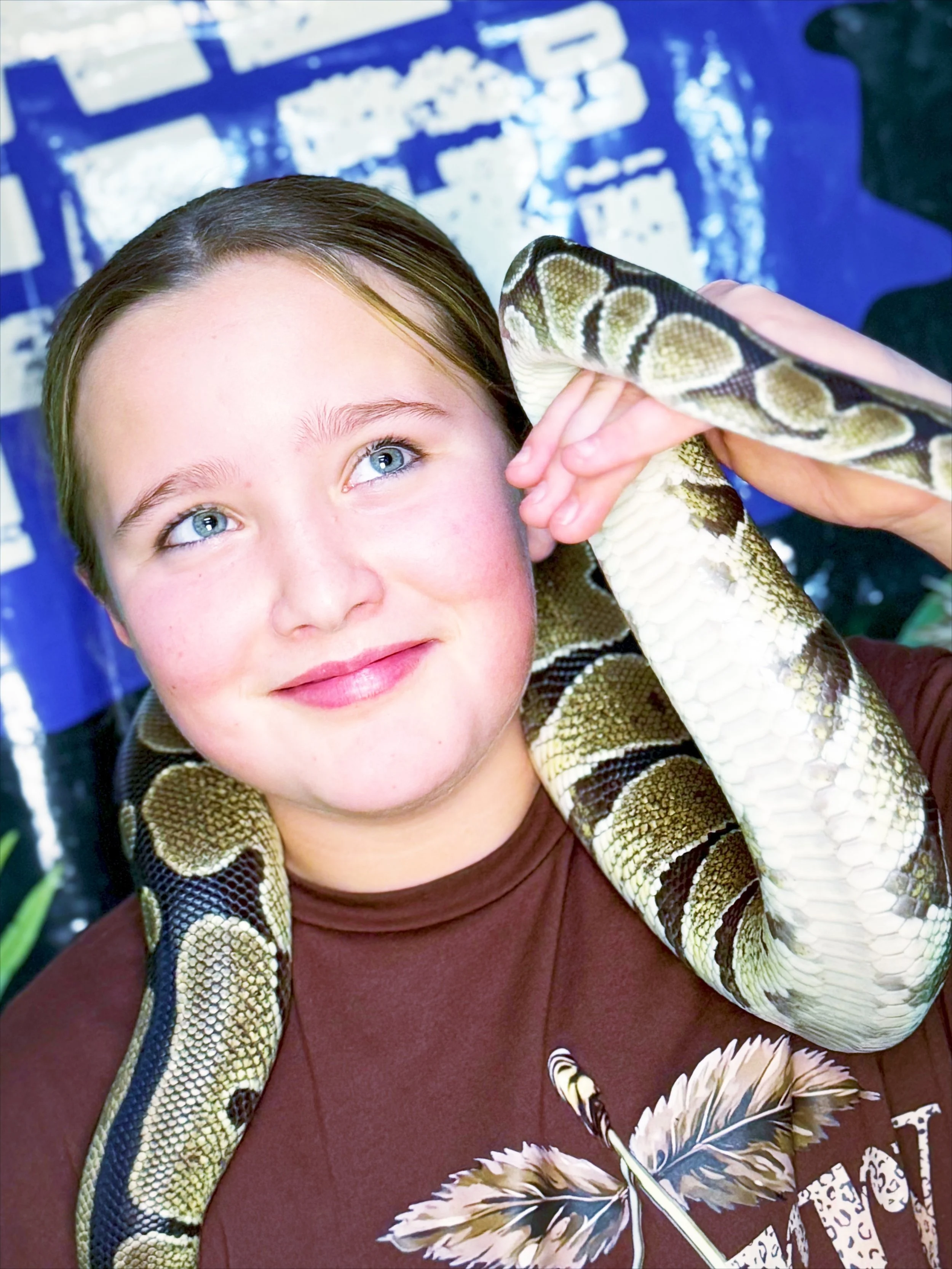
Pretzel…our royal python
2. Royal Python (Ball Python)
Snakes often get a bad reputation — but royal pythons are one of the calmest, most predictable reptiles you can keep.
They move slowly, tolerate gentle handling, and are generally unbothered by the world around them.
Why royal pythons can be great for older children:
Extremely docile nature
Manageable adult size
Calm during handling when properly supported
Long lifespan, encouraging long-term responsibility
🐍 They’re a great option for children who are calm, patient, and genuinely interested in reptiles — something our quiz helps identify.
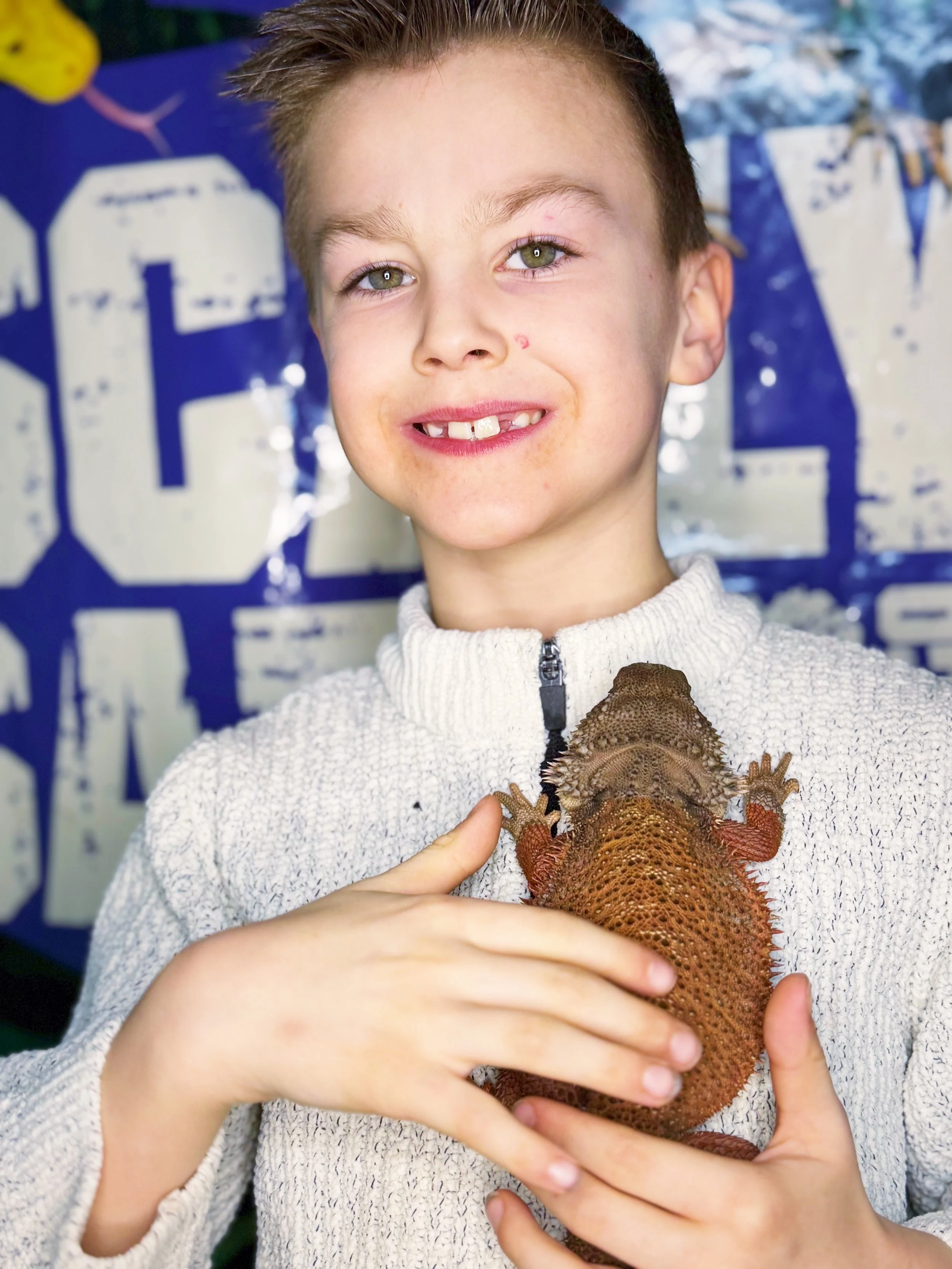
Merlin…our bearded dragon
3. Bearded Dragon
Bearded dragons are often described as the “dogs of the reptile world” — and honestly? We get why.
They’re social, curious, and often seem to enjoy human interaction.
Why families love bearded dragons:
Interactive and engaging
Often recognise their keepers
Enjoy routine and structured care
Fun feeding routines kids love helping with
They do require more space and setup than a gecko, but for many families, the reward is worth it.
🦎 In our quiz, bearded dragons often suit confident, hands-on kids who enjoy daily involvement.
⚠️ Top 3 Worst Exotic Pets for Kids (In Our Opinion)
This part is just as important.
Some animals are incredible — just not in a family setting. These species aren’t “bad pets”… they’re just bad matches for children.
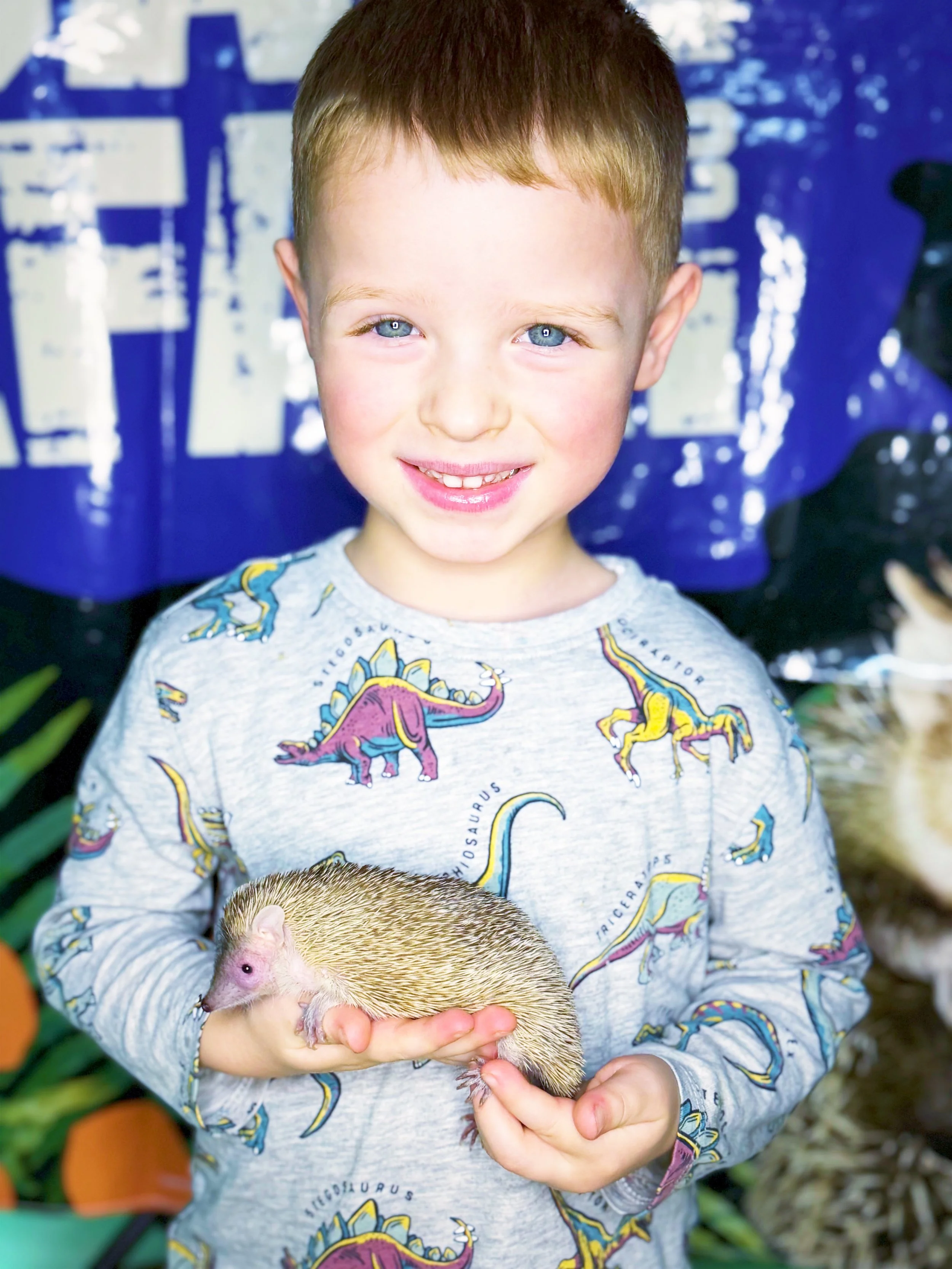
Dave…our pink-eyed tenrec from Madagascar
1. Tenrec
We adore tenrecs. They’re unusual, fascinating, and endlessly interesting.
But they are not child-friendly pets.
Why tenrecs don’t suit kids:
Nocturnal (awake when your child is asleep)
Don’t enjoy handling (unless it’s Dave)
They can have strong-smelling urine (weirdly, of marijauna)
Easily stressed by noise and activity
Require specialised diet and temperature control
💛 Tenrecs are wonderful animals to meet through experiences — not ideal lifelong pets for children.
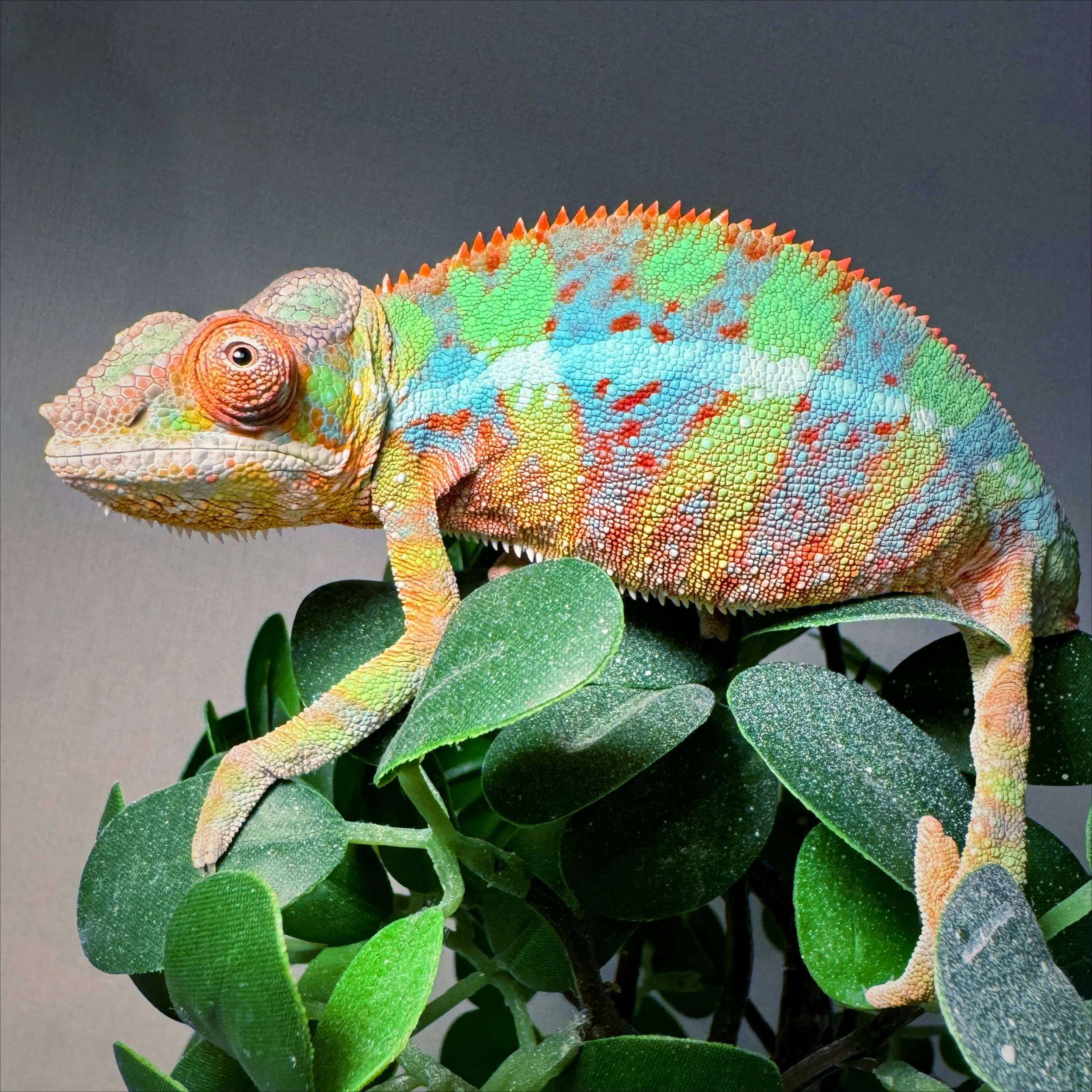
Indie…our panther chameleon
2. Chameleon
Chameleons are one of the most misunderstood reptiles out there.
They look magical — but they are extremely sensitive animals.
Why chameleons are a poor choice for kids:
Most have a strong dislike of handling (unless you’re lucky like us, and end up with the ones that want to snuggle)
High stress levels
Very specific humidity and lighting needs
Health can decline quickly if conditions aren’t perfect
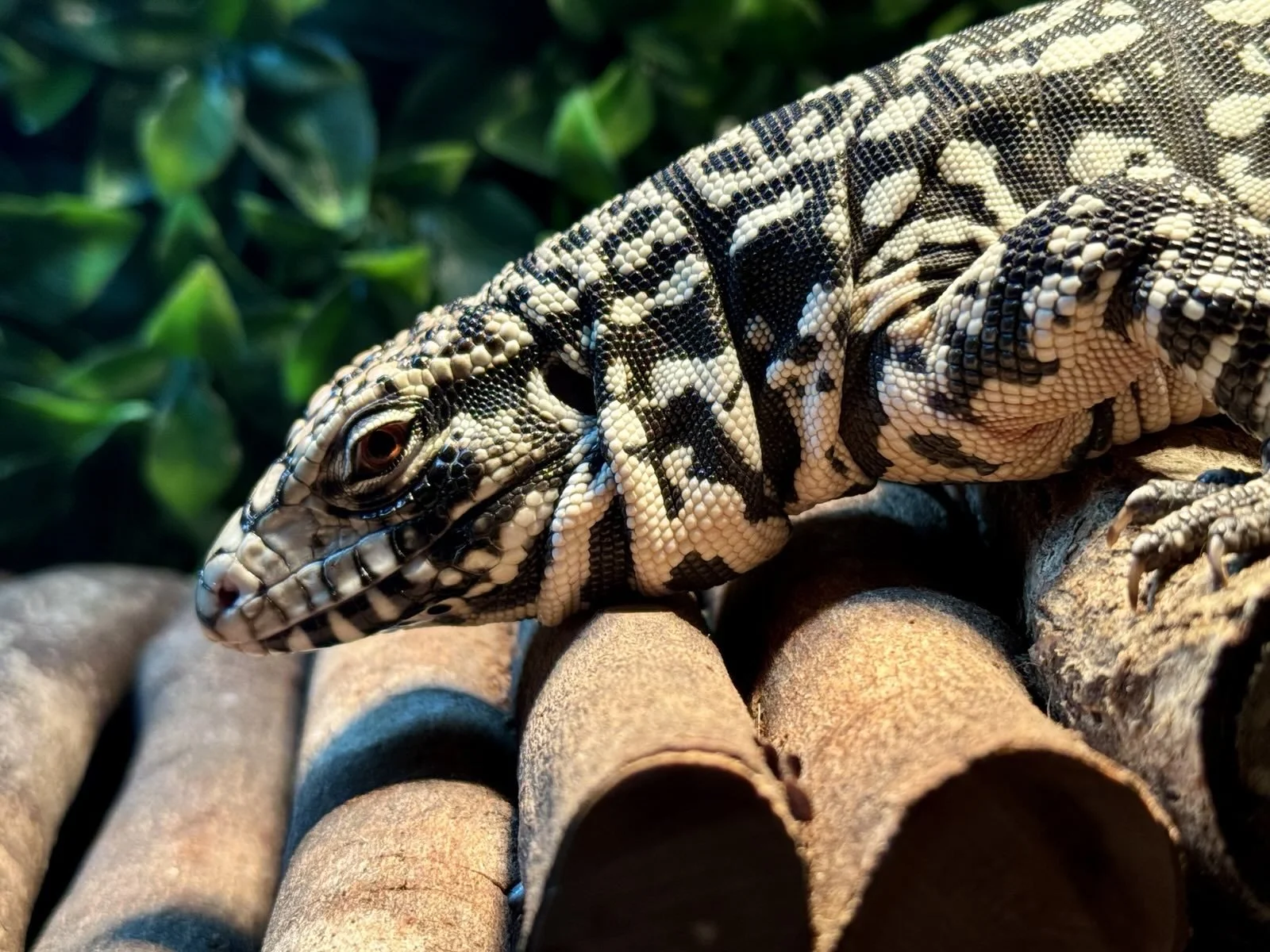
Custard…our Argentinian tegu
3. Large Lizards (Iguanas, Monitors, etc.)
Many large lizards start life small and adorable… then grow very big.
And strong.
And territorial.
Why large lizards aren’t suitable for children:
Grow too large for most homes
Powerful claws, tails, and jaws
Require huge enclosures and specialist care
Long lifespans and serious long-term commitment
🦖 These animals need experienced, adult keepers with space, time, and training.
🧠 So… What Is the Right Exotic Pet for Your Child?
Here’s the honest truth:
The best exotic pet depends on your child’s age, confidence, routine, sensitivity, and interest level — not just the animal itself.
That’s why we created our free quiz:
👉 Which Exotic Pet Is Right for Your Child?
It takes into account:
Your child’s age and temperament
Your family’s routine
Confidence with handling
Noise, sensitivity, and patience levels
Instead of guessing — or relying on pet shop advice — the quiz gently guides you toward animals that are more likely to thrive in your home.
🐍 Final Thoughts from Scaly Safari
Exotic pets can be incredible companions and powerful teachers — when the match is right.
And when it isn’t?
That’s where stress, guilt, and unhappy animals creep in.
Our goal is always the same: happy animals, confident kids, and informed families.
Whether you’re just curious, actively researching, or completely unsure — start with the quiz, learn at your pace, and know you’re making a thoughtful choice ❤️