🐍 Reptile Workshops vs Zoo Trips: Which Is Better for Schools?
Choosing the Right Animal Experience for Schools
Animal encounters are powerful learning tools — but schools often face a choice:
Do we organise a zoo trip… or bring animals into school?
Both options have value, but they offer very different learning experiences. Understanding those differences helps schools choose the option that best supports their pupils, curriculum goals, and practical constraints.
The Educational Value of Zoo Trips
Zoo visits give pupils the chance to see a wide range of animals in purpose-built environments.
Benefits include:
Exposure to many different species
Large-scale habitats and conservation messaging
A memorable day out of school
Opportunities for cross-curricular links
However, zoo trips can also come with limitations.
Challenges of Zoo Trips for Schools
While exciting, zoo visits are not always the most effective option for every school.
Common challenges include:
High costs (transport, entry fees, staffing)
Long travel times
Limited close-up observation
Pupils viewing animals from a distance
Overstimulation for some children
Accessibility challenges for SEND pupils
For some pupils, the day can become overwhelming, with learning taking a back seat to logistics and excitement.
How Reptile Workshops Differ
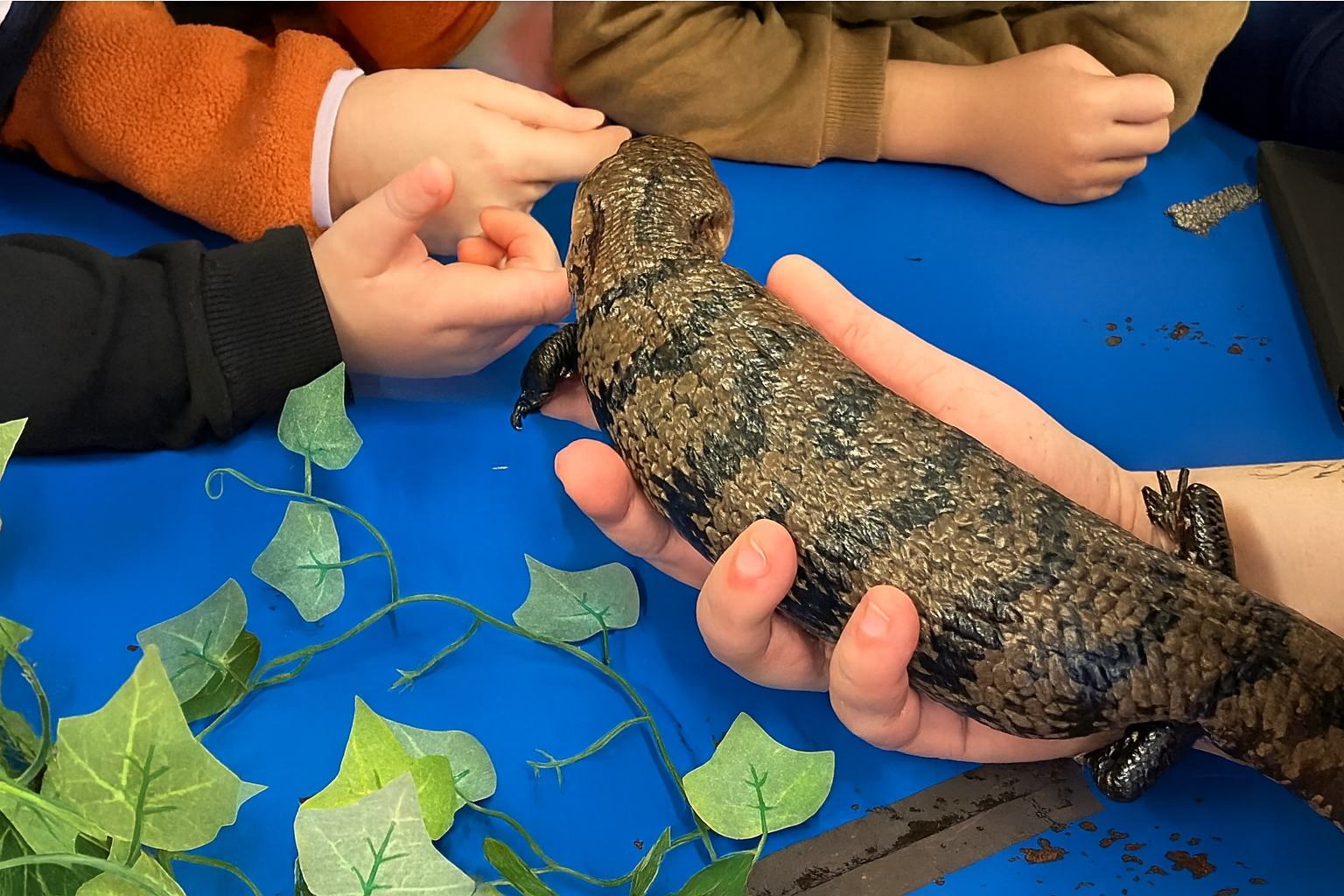
Reptile workshops bring a small number of carefully selected animals directly into the school environment.
This changes the learning experience significantly.
Instead of moving pupils through busy enclosures, the animals come to them — allowing for calm, focused engagement and meaningful discussion.
Benefits of In-School Reptile Workshops
Reptile workshops offer several advantages that support effective learning:
Curriculum-linked delivery tailored to age and topic
Close-up observation of real animals
Optional, supervised interaction
Small-group or whole-class flexibility
Clear structure and predictable routines
Minimal disruption to the school day
Because sessions take place in familiar surroundings, pupils are often more relaxed and able to concentrate.
Accessibility and Inclusion
One of the biggest differences between zoo trips and reptile workshops is accessibility.
Reptile workshops are:
More inclusive for SEND pupils
Easier to adapt for sensory needs
Less physically demanding
Accessible to pupils with mobility challenges
Because the experience comes to the school, there are fewer barriers to participation — helping ensure no pupil is excluded from the learning opportunity.
Cost and Practical Considerations
From a practical standpoint, reptile workshops are often:
More cost-effective
Easier to organise
Less staff-intensive
Lower risk in terms of transport and supervision
For many schools, this makes workshops a more realistic option for enrichment learning.
Engagement That Leads to Deeper Learning
Reptile workshops encourage:
Questions and discussion
Observation and curiosity
Emotional connection to learning
Improved recall and understanding
Pupils are not simply watching animals — they are learning with them, guided by an experienced educator.
Which Is Right for Your School?
Zoo trips can be wonderful experiences, particularly for larger enrichment days or specific curriculum goals.
Reptile workshops, however, offer:
Focused learning
Greater accessibility
Strong curriculum alignment
Calm, inclusive delivery
High educational impact within the school day
For many schools, reptile workshops provide the best balance of learning, engagement, and practicality.
Final Thoughts
Both zoo trips and reptile workshops have a place in education.
The key is choosing the option that best supports your pupils, your staff, and your learning objectives — while keeping accessibility, wellbeing, and meaningful learning at the heart of the decision.
🐍 Considering an in-school reptile workshop?
Scaly Safari delivers curriculum-linked reptile workshops designed to be engaging, inclusive, and practical for schools of all sizes.
👉 Get in touch to find out if a reptile workshop is right for your school.
Head to scalysafari.co\schools